
Nova Derma | Amman, Jordan
Warts & Molluscum Treatment in Amman
Dermatologist-Led Diagnosis and Treatment for Common, Plantar and Resistant Warts and Molluscum Contagiosum
Not every wart or molluscum lesion needs immediate removal.
Warts and molluscum contagiosum are common viral skin conditions that affect children and adults. They can sometimes look similar, but they are caused by different viruses and do not always need the same treatment.
At Nova Derma, we assess the type, location, number, duration and symptoms of the lesions before deciding whether observation, home care or in-clinic treatment is appropriate.
Diagnosis first
Warts and Molluscum Are Different Conditions
Common and recurrent warts
Warts are caused by certain types of human papillomavirus (HPV). They may appear as rough or flat growths on the hands, fingers, face, knees or around the nails. Some disappear spontaneously, while others persist, spread or return after treatment.
Plantar warts
Plantar warts occur on the soles of the feet and can become painful with standing or walking. They can sometimes resemble corns or calluses, so confirming the diagnosis matters before treatment.
Molluscum contagiosum
Molluscum usually appears as small, smooth, dome-shaped bumps, often with a central indentation. It is particularly common in children and can spread through direct skin contact, scratching or shared personal items.
Molluscum and eczema
Children with eczema may develop more molluscum lesions and inflammation around them. Treating the surrounding eczema can be an important part of the management plan.
When the diagnosis is uncertain
Corns, calluses, skin tags and other skin growths can sometimes resemble warts or molluscum. Dermatologist assessment helps confirm the diagnosis before any destructive treatment, because a lesion of uncertain diagnosis should not be destroyed before it has been identified.
### What about genital warts?
Genital warts are assessed within Nova Derma's confidential Sexual Health & STI Care pathway rather than duplicated on this page. Their evaluation and treatment need additional discussion about HPV, sexual-health considerations and lesion location.
Accurate diagnosis comes before removal.
Explore Sexual Health & STI CareWhether Warts or Molluscum Need Treatment
Molluscum often resolves naturally in otherwise healthy patients, and some warts persist without treatment. Treatment is usually considered when lesions are numerous, persistent, spreading, repeatedly inflamed, associated with eczema, causing distress or affecting a sensitive area.
Conditions assessed at Nova Derma
- Common warts
- Flat and facial warts
- Plantar warts
- Warts around the nails
- Multiple, recurrent or treatment-resistant warts
- Molluscum contagiosum in children and adults
- Molluscum associated with eczema
Treatment may need to be modified, deferred or directed elsewhere if there is
- An uncertain diagnosis, since corns, calluses, skin tags and other growths can resemble warts or molluscum and should not be destructively treated before they are identified
- Lesions in the genital area, which are assessed through the confidential Sexual Health & STI Care pathway rather than on this page
- Molluscum associated with eczema, where the surrounding dermatitis is treated as part of the plan
- A young child for whom procedure tolerance is a factor, and where observation may be sufficient
- Plantar, periungual or long-standing resistant warts, which may need repeated treatment rather than a single destructive procedure
Does molluscum always need treatment?
No. Molluscum often resolves naturally in otherwise healthy patients. Treatment may be considered when lesions are numerous, persistent, spreading, repeatedly inflamed, associated with eczema, causing distress or affecting a sensitive area.
For children, treatment should also take into account discomfort, procedure tolerance and the likelihood that observation may be sufficient.
Treatment may take time
There is no fixed number of sessions. Plantar warts, periungual warts and long-standing or resistant warts may require repeated treatment, and the response depends on the wart type, location, immune response, previous treatment and individual healing.
The appropriate treatment depends on the lesion and the patient, not simply on how quickly it can be removed.
Treatment options
How Warts and Molluscum Are Treated
Treatment is selected according to the diagnosis, lesion type, location, number, symptoms, age and previous response. Observation is a legitimate outcome when the lesions are not painful, rapidly spreading, repeatedly inflamed or particularly bothersome.
- Observation when treatment is unnecessary: some warts and many molluscum lesions can resolve without treatment, and observation can be reasonable when the lesions are not painful, spreading, inflamed or bothersome
- Liquid-nitrogen cryotherapy, which may be used for selected warts and molluscum lesions; temporary stinging, blistering, crusting or skin-color change can occur, and resistant warts may need repeated sessions
- Intralesional MMR immunotherapy for selected patients with multiple, recurrent or treatment-resistant non-genital warts; it is not a routine treatment for every wart, is not used to treat molluscum, and is decided after medical assessment and informed consent
- Electrosurgery, which may be considered for selected warts when rapid physical removal is appropriate; local anesthesia and wound care may be required, and the risk of scarring or pigment change is considered before treatment
- Surgical CO2 laser, which may be considered for selected large, thick, numerous or treatment-resistant warts; the procedure generally requires local anesthesia and appropriate aftercare
Removing a visible wart does not guarantee that it will not return, because HPV can remain in nearby skin.
Laboratory testing is arranged externally
Your dermatologist
Assessment Before Any Wart or Molluscum Treatment
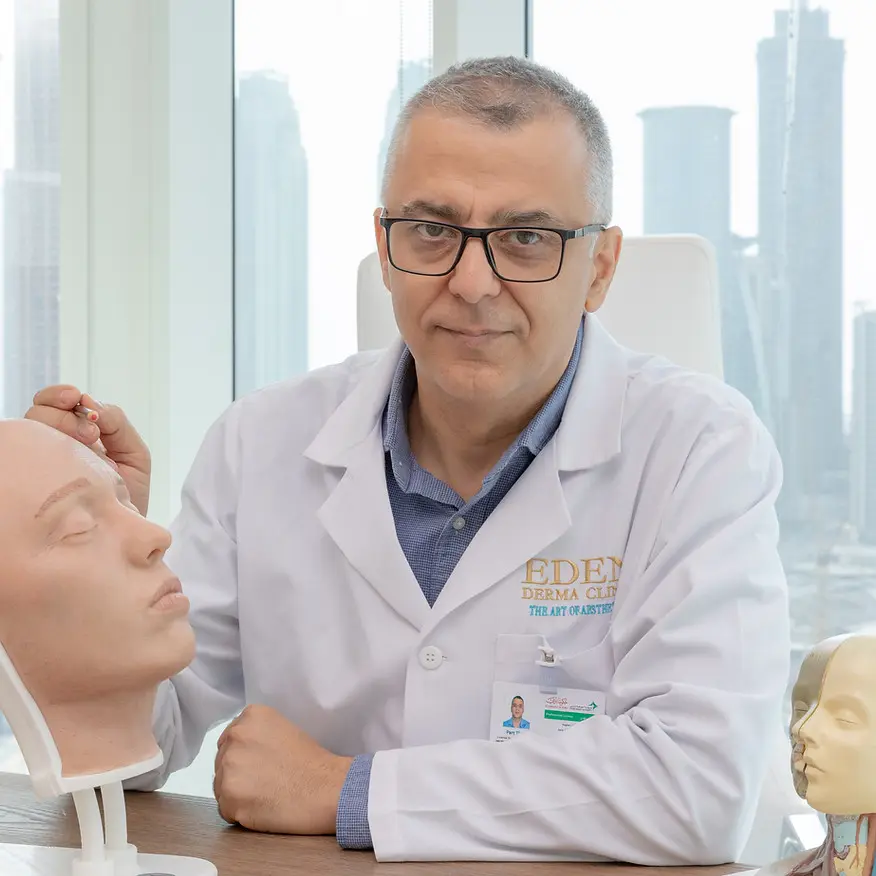
Dr. Qusai Shakhatreh
Specialist in Dermatology & Venereology
Corns, calluses, skin tags and other growths can look like warts or molluscum, so the diagnosis comes first. Dr. Qusai Shakhatreh, Specialist in Dermatology & Venereology, examines the lesions and decides whether observation, home care or an in-clinic procedure such as cryotherapy, intralesional immunotherapy or electrosurgery is appropriate, and whether referral elsewhere is needed.
Warts & Molluscum FAQ
Are warts and molluscum the same condition?
No. Warts are caused by certain types of HPV, while molluscum is caused by molluscum contagiosum virus. Their appearance, natural course and treatment options differ.
Are they contagious?
Yes. Both can spread through direct contact, scratching and shared personal items. Avoid picking lesions and sharing towels or razors.
Does every wart need treatment?
No. Treatment is usually considered when a wart is painful, spreading, persistent, recurrent, difficult to ignore or affecting daily activity. Observation can be reasonable for some warts.
Does molluscum always need treatment?
No. Molluscum often resolves spontaneously. Treatment is considered when the number, location, inflammation, associated eczema or impact on the patient makes treatment worthwhile.
When are MMR injections considered?
Intralesional MMR immunotherapy may be considered for selected multiple, recurrent or resistant non-genital warts. It is not routine for every patient and is not used for molluscum.
How many treatment sessions are needed?
There is no fixed number. Some lesions respond quickly, while plantar, periungual or long-standing warts may need repeated treatment.
Can warts return?
Yes. New or recurrent warts can appear even after visible lesions have been treated, because HPV can remain in nearby skin.
Can children be treated?
Yes. Treatment is selected according to age, lesion location, symptoms, number of lesions and the child's ability to tolerate the procedure.
Can molluscum spread more in children with eczema?
Yes. Molluscum can be more numerous and inflamed when eczema is present. Treating the surrounding dermatitis can help reduce scratching and irritation.
Are genital warts treated on this page?
No. Genital warts are managed through the confidential Sexual Health & STI Care pathway.
Many of these lesions are common and often harmless, and watching them is sometimes the most sensible plan.
Concerned About Warts or Molluscum?
If lesions are persistent, spreading, painful, recurrent or you are uncertain what they are, a dermatologist can confirm the diagnosis and decide whether observation or treatment is the better approach.
Nova Derma · Amman, Jordan