
Nova Derma | Amman, Jordan
Psoriasis Treatment in Amman
Dermatologist-Led Care for Plaque, Scalp, Nail & Localized Psoriasis
Psoriasis treatment should match the patient — not just the appearance of one plaque.
Psoriasis is a chronic immune-mediated inflammatory condition that can affect the skin, scalp and nails. It often causes well-defined scaly plaques, but the appearance and impact can vary considerably between patients.
At Nova Derma, treatment is selected according to the psoriasis type, location, extent, symptoms, previous treatment response and impact on daily life.
Psoriasis Can Look Different Depending on Where It Appears
Psoriasis is not a single appearance. Where it appears, how thick the plaques are and which symptoms dominate can change the treatment plan completely.
### Plaque Psoriasis
The most common pattern, with well-defined raised scaly plaques, often on the elbows, knees, scalp or trunk.
### Scalp Psoriasis
May affect a small area or much of the scalp, causing scaling, redness, itching and flaking. It can sometimes resemble seborrheic dermatitis.
### Inverse Psoriasis
Affects skin folds such as the underarms or groin. Because these areas are moist, plaques may be smoother and less scaly than typical psoriasis.
### Guttate Psoriasis
Causes many small scaly spots and can appear relatively suddenly, sometimes after an infection such as streptococcal throat infection, particularly in younger patients.
### Nail Psoriasis
Can cause pitting, discoloration, thickening, crumbling or separation of the nail. These changes may resemble fungal nail disease, so confirming the diagnosis matters.
### Palm & Sole Psoriasis
May cause thick scale, cracking, pain and inflammation that interfere with walking, work or daily activity.
### Localized Persistent Psoriasis
A small number of persistent plaques may be suitable for targeted treatment such as 308 nm Excimer, depending on location, thickness and previous response.
Where psoriasis appears can be just as important as how much skin is involved.
What We Assess & How Psoriasis Is Treated
Treatment depends on disease extent, location, symptoms and impact on quality of life. Localized disease often needs a different approach from widespread or difficult-to-control psoriasis.
The list below reflects the presentations assessed in clinic. Suitability for any treatment — topical, targeted phototherapy or systemic — is decided after the examination, not before it.
We Assess
- Plaque psoriasis
- Scalp psoriasis
- Facial and body-fold / inverse psoriasis
- Guttate psoriasis
- Palm and sole psoriasis
- Nail psoriasis
- Localized persistent plaques
- Psoriasis in children and teenagers
- Psoriasis with joint pain, swelling or stiffness
Treatment May Need to Be Modified or Postponed If There Is
- Widespread or severe disease that significantly affects quality of life, which may require systemic medication or biologic therapy after assessment and screening
- Nail changes that have not yet been distinguished from fungal nail infection
- Joint pain, swelling or morning stiffness, where rheumatology assessment may be needed before skin treatment alone is continued
- Psoriasis in a child or teenager that has not been assessed for age-appropriate treatment
- A diagnosis that is still uncertain
Topical Treatment & Skin Care
Localized psoriasis may be treated with prescription creams, ointments or scalp preparations selected according to the body area and plaque thickness. Appropriate moisturization and scalp care can help reduce dryness, scale and irritation.
Scalp & Nail Psoriasis
Scalp and nail disease often need a site-specific plan rather than the same treatment used for plaques elsewhere. Nail psoriasis should also be distinguished from fungal nail infection before prolonged treatment.
308 nm Excimer for Localized Psoriasis
Nova Derma uses the Kernel 308 nm Excimer for selected patients with localized, persistent psoriasis plaques. It provides targeted UVB treatment to affected skin while limiting exposure of surrounding uninvolved skin.
Excimer is most useful when psoriasis is limited to selected areas. It is not a replacement for systemic treatment when disease is widespread, severe or significantly affecting quality of life.
When Psoriasis Is More Extensive
Moderate-to-severe or difficult-to-control psoriasis may require systemic medication or biologic therapy after appropriate assessment and screening. When broader treatment is needed, the dermatologist determines the next step and coordinates or refers for further management as appropriate.
Excimer is most useful when psoriasis is limited to selected areas. It is not a replacement for systemic treatment when disease is widespread, severe or significantly affecting quality of life.
We Also Ask About Your Joints
Psoriasis can be associated with psoriatic arthritis. Tell your dermatologist if you have:
- Morning joint stiffness
- Swollen or tender joints
- A repeatedly swollen finger or toe
- Heel pain
- Persistent joint pain or reduced movement
These symptoms may need additional assessment and, when appropriate, rheumatology referral. Early recognition matters because untreated inflammatory joint disease can cause lasting damage.
Laboratory testing is arranged externally
Dermatologist-led care
Your Assessment Is Led by a Specialist Dermatologist
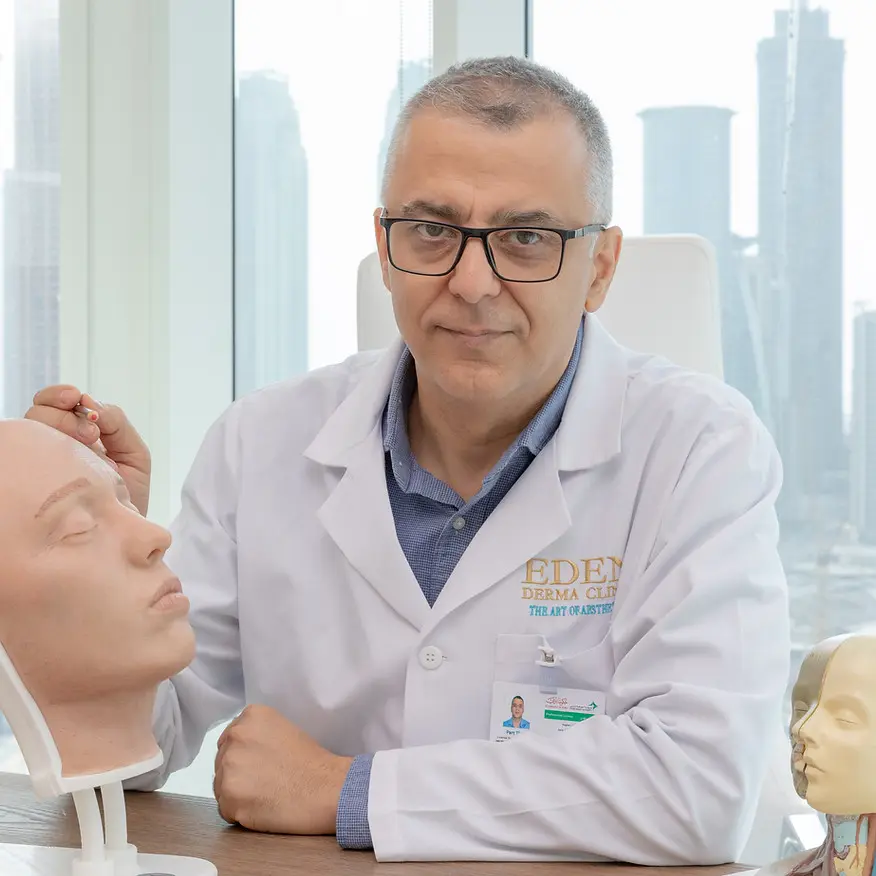
Dr. Qusai Shakhatreh
Specialist in Dermatology & Venereology
Psoriasis care at Nova Derma is led by Dr. Qusai Shakhatreh, Specialist in Dermatology & Venereology. The consultation establishes the psoriasis type, extent and location, checks for nail and joint involvement, and reviews the treatment you have already tried.
Psoriasis FAQ
Is psoriasis contagious?
No. Psoriasis is an immune-mediated inflammatory condition and cannot be passed from one person to another.
Can psoriasis be cured permanently?
Psoriasis is usually a long-term condition that can flare and improve over time. Treatment aims for good disease control and clearer, more comfortable skin rather than promising a permanent cure.
Is scalp psoriasis the same as dandruff?
No. Scalp psoriasis can cause thicker, more defined scaling and inflammation, although it can sometimes resemble seborrheic dermatitis.
Can psoriasis affect the nails?
Yes. It can cause pitting, discoloration, thickening, crumbling or separation of the nail. Similar changes can also occur with fungal nail disease.
Can psoriasis affect the joints?
Yes. Some patients develop psoriatic arthritis. Joint pain, swelling, morning stiffness, swollen fingers or toes, or heel pain should be mentioned during the consultation.
Does every patient need systemic treatment?
No. Many localized cases can be managed with topical or selected targeted treatment. More extensive or difficult disease may require systemic therapy.
When is 308 nm Excimer useful?
It may be useful for selected localized, persistent plaques. It is targeted phototherapy and is not intended to replace systemic treatment for widespread or severe psoriasis.
Do I need blood tests?
Not routinely for the diagnosis of straightforward psoriasis. External laboratory testing may be required when systemic treatment is being considered, or when another diagnosis or medical issue needs evaluation.
Living With Recurrent Psoriasis?
Whether psoriasis affects your skin, scalp, nails or a small number of persistent plaques, a dermatologist assessment can help determine the extent of disease and the most appropriate treatment pathway.
At Nova Derma, treatment may include topical therapy, individualized skin and scalp care, targeted 308 nm Excimer for selected localized psoriasis, and coordination of broader medical treatment when needed.
Nova Derma · Amman, Jordan