Nova Derma | Amman, Jordan
Acne Treatment in Amman
Personalised Dermatology Care for Teenage and Adult Acne
At Nova Derma in Amman, acne care begins with a dermatologist’s assessment of your breakouts, skin type and risk of scarring. We identify blackheads, whiteheads, inflammatory spots or deeper nodules, consider possible hormonal or medication-related triggers, and review previous treatments.
Your treatment plan is tailored to your diagnosis, acne severity and skin needs, with the aim of controlling breakouts and reducing the risk of future scars.
- Effective acne treatment starts with the right diagnosis.
What Type of Acne Do You Have?
Different acne patterns respond to different treatments. You do not need to diagnose the type yourself; this is what the consultation is for.
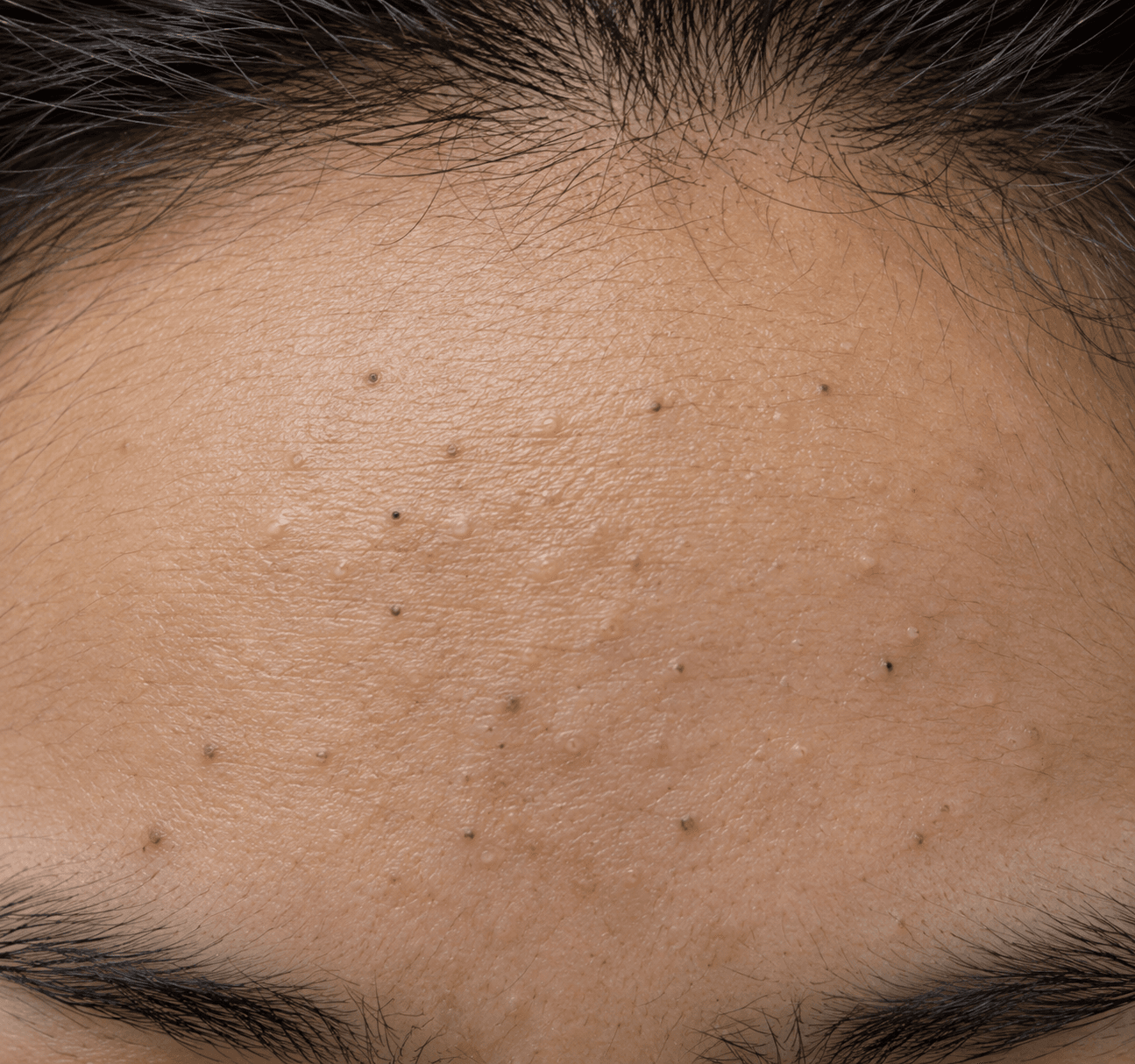
Blackheads & Whiteheads
Also called comedonal acne, these develop when hair follicles become blocked with oil and dead skin cells.
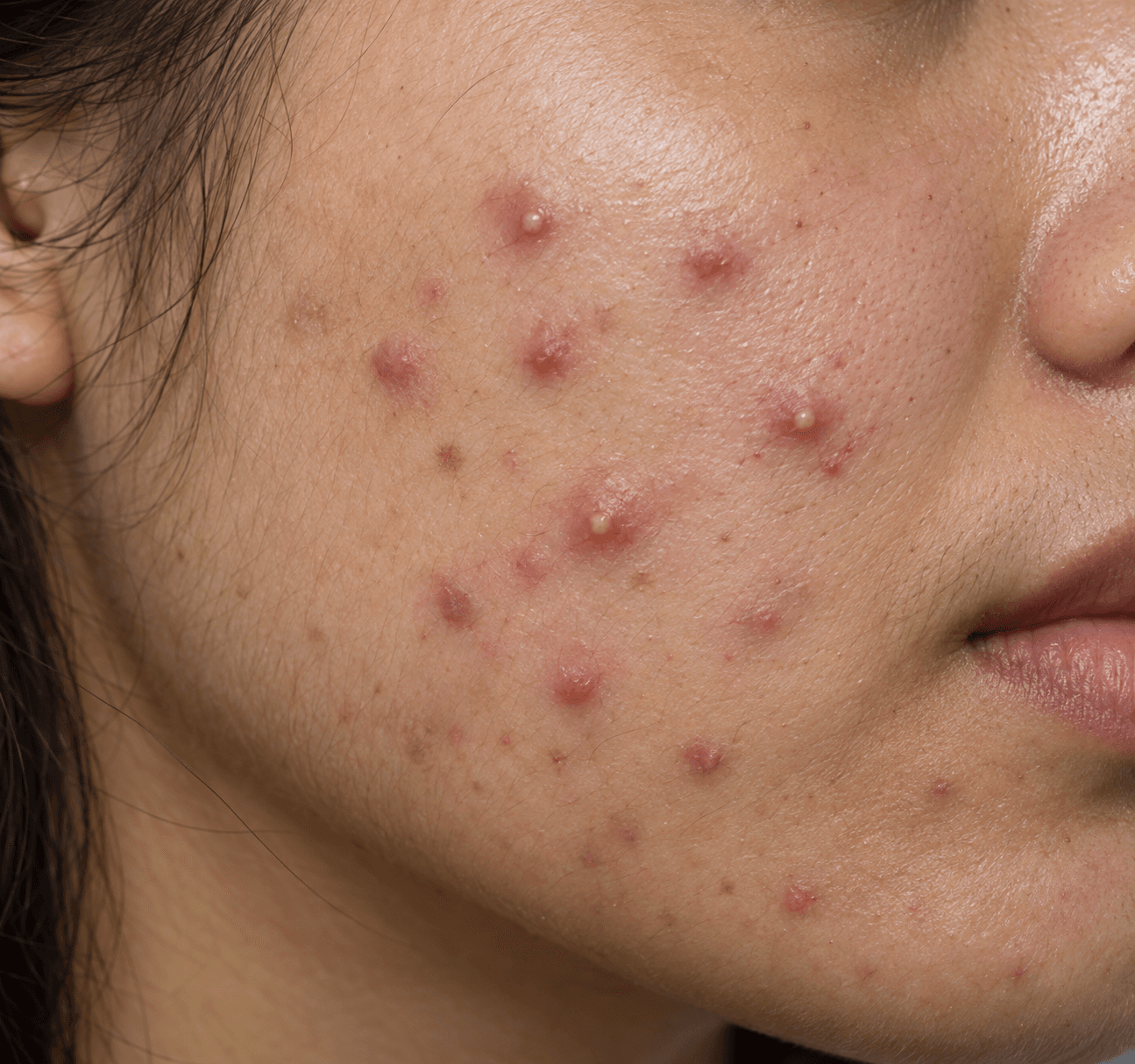
Inflammatory Acne
Inflamed bumps and pus-filled spots, sometimes accompanied by tenderness. Inflammation may be less visibly red in darker skin tones.
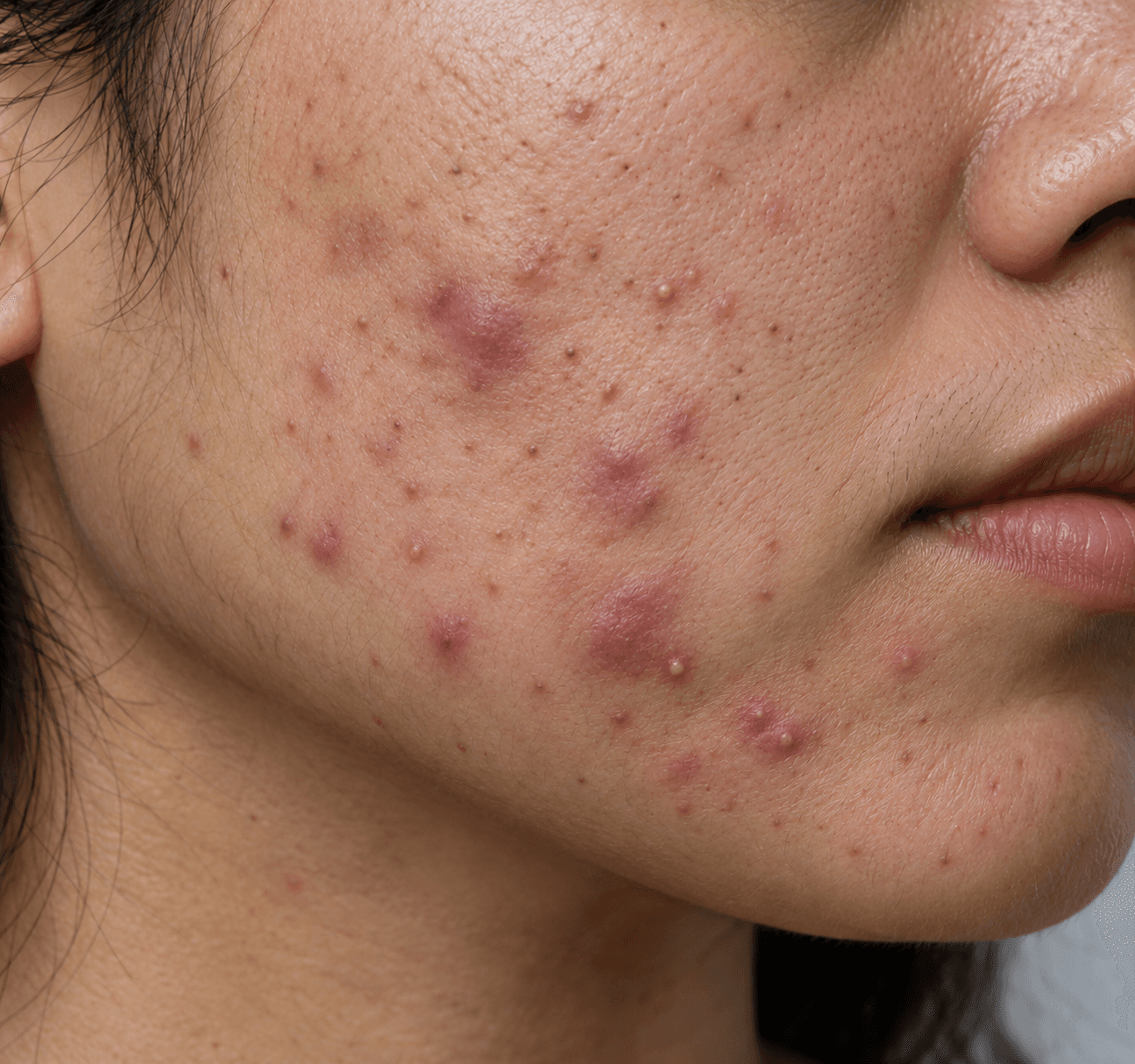
Cystic & Nodular Acne
Deeper painful lesions with a higher risk of scarring.
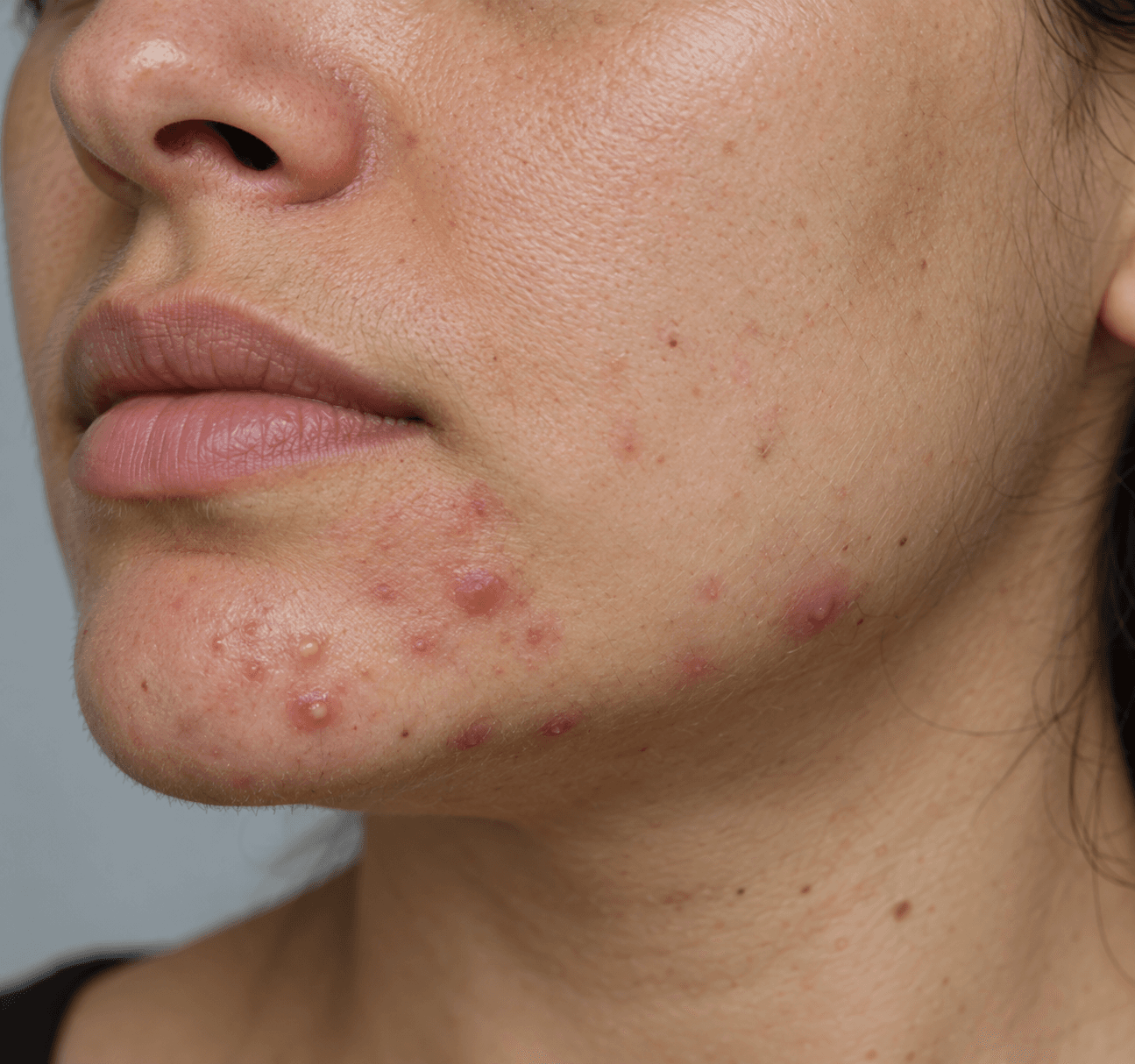
Adult & Hormonal Acne
Acne may persist from adolescence or begin in adulthood. Cyclical flares and lower-face or jawline breakouts can suggest a hormonal influence, but their location alone does not establish the cause.
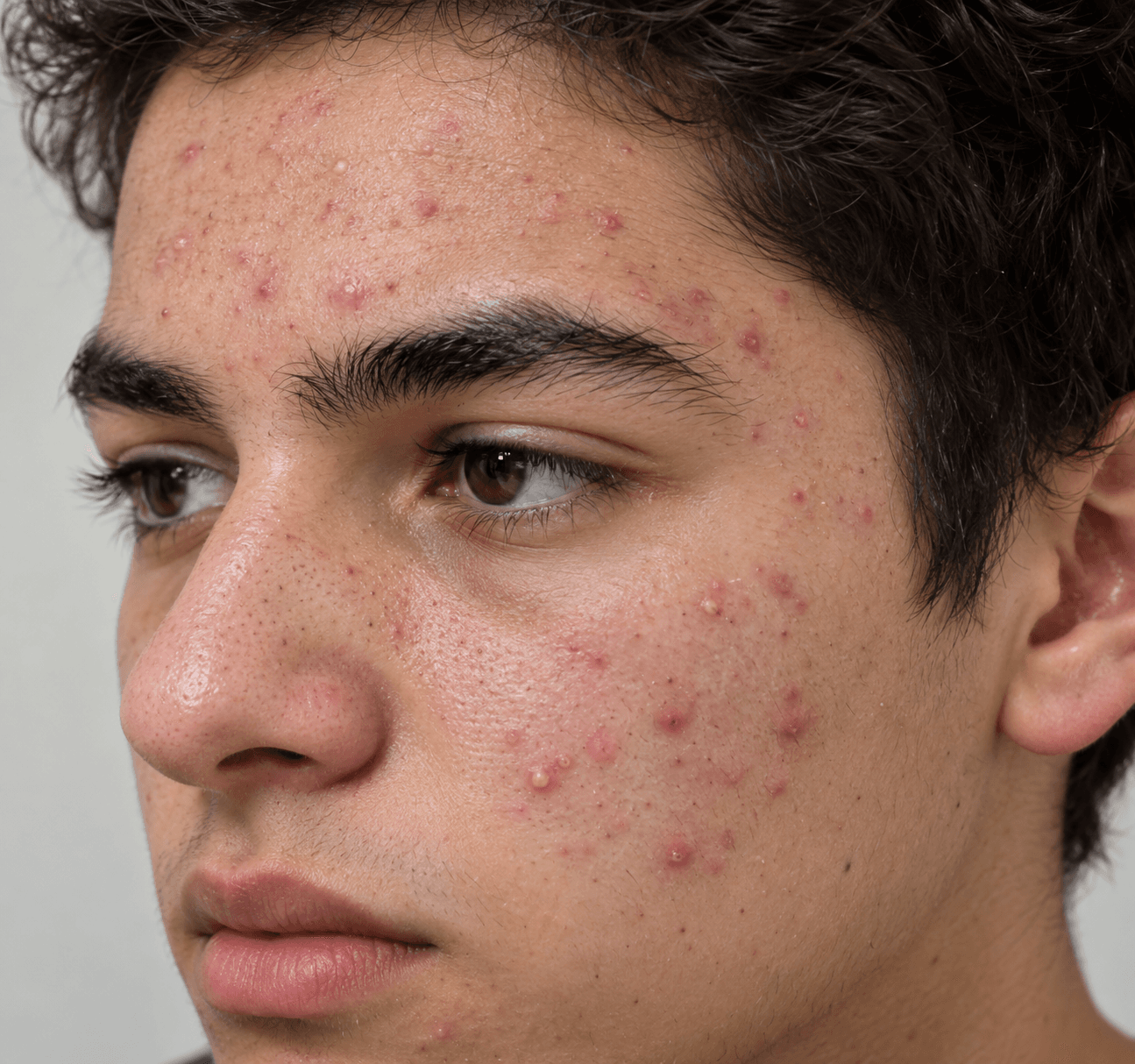
Teenage Acne
Acne commonly begins around puberty and can range from blackheads and whiteheads to more severe inflammatory breakouts.
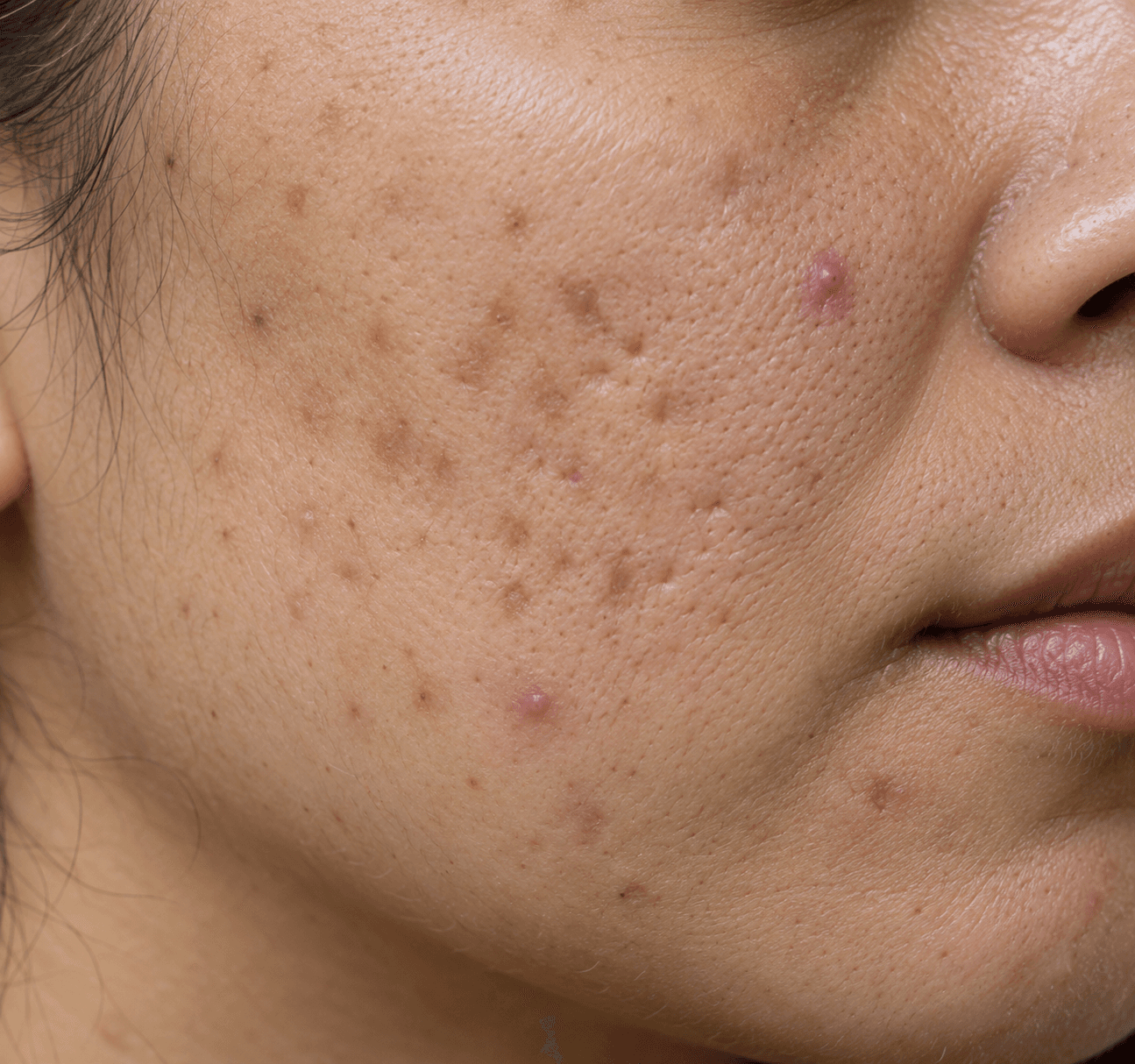
Acne With Marks or Scars
Active acne may occur alongside dark marks, lingering redness, indented scars or raised scars. These changes require assessment alongside the breakouts themselves.
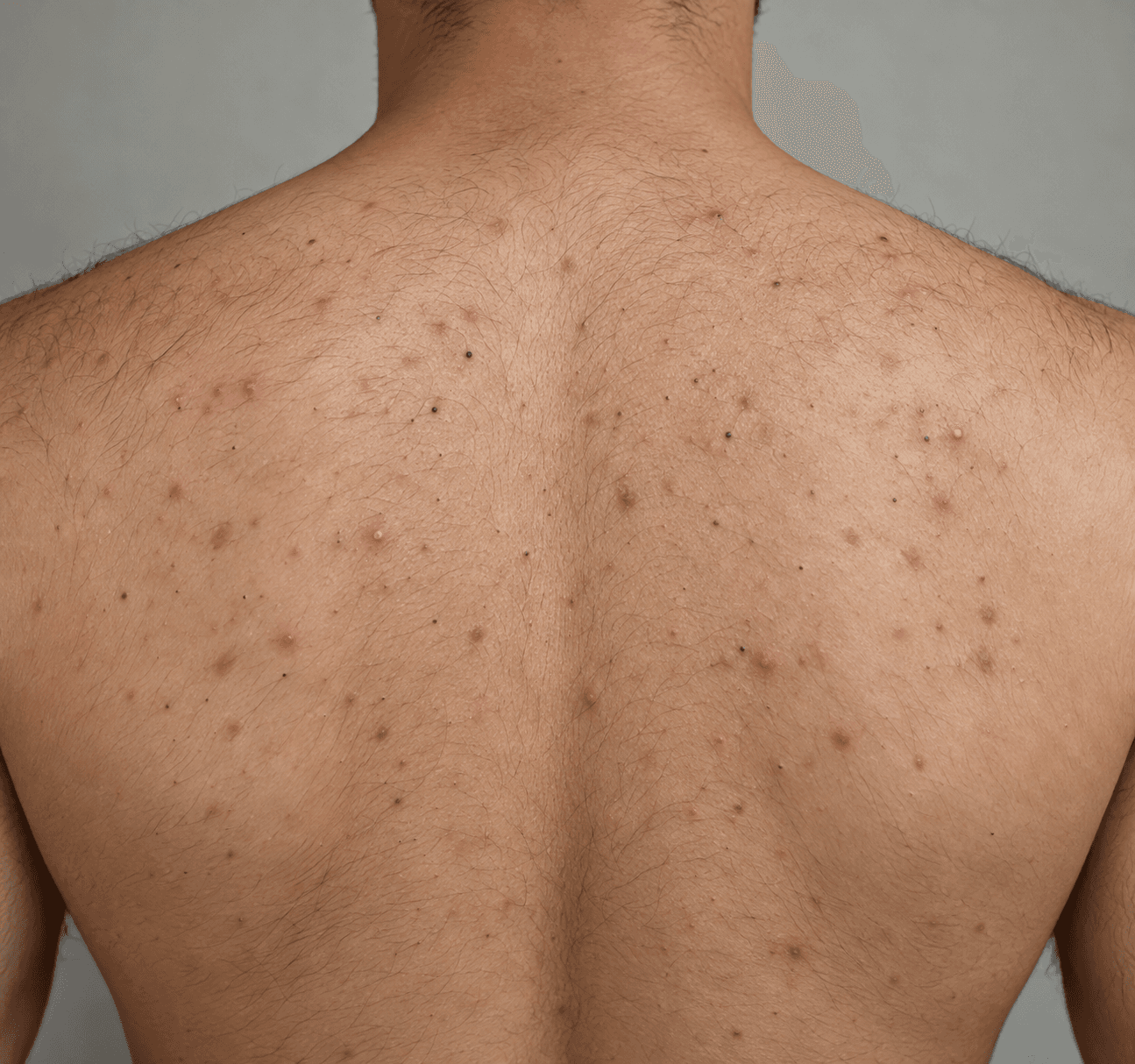
Body & Back Acne
Acne affecting the back, chest or shoulders, sometimes called “bacne” when it involves the back. Breakouts may include blackheads, whiteheads, inflamed spots or deeper nodules. Treatment depends on their severity, extent and risk of scarring.

What Causes Acne?
Acne is a multifactorial inflammatory condition. Sebum production, blocked follicles and pores, Cutibacterium acnes, inflammation, hormonal influences and genetics can all contribute.
Acne is not simply a sign of poor hygiene. Harsh scrubbing and picking can irritate the skin and worsen its effects.

How We Treat Acne at Nova Derma
Your treatment plan depends on your acne, medical history, skin tolerance and preferences. We discuss the expected benefits, limitations and follow-up requirements of suitable options.
Acne Skin Care & Topical Treatments
A suitable cleanser, moisturiser and sunscreen support treatment. Prescription options may include topical retinoids, benzoyl peroxide, azelaic acid or other treatments selected for your skin.
Oral Antibiotics
Oral antibiotics may be used for inflammatory acne for a limited period. They are combined with appropriate topical treatment, including benzoyl peroxide to help reduce antibiotic resistance.
Hormonal Treatment
For suitable female patients, options such as spironolactone or certain combined oral contraceptives may help control acne. Suitability depends on medical history, contraindications and pregnancy plans.
Isotretinoin
Isotretinoin (Roaccutane®) may be considered for severe acne, acne causing scarring or substantial emotional distress, or acne that has not responded adequately to standard treatment. It requires medical supervision, appropriate monitoring and strict pregnancy prevention for patients who could become pregnant.
AviClear® Acne Laser
AviClear is a 1726 nm laser that targets sebaceous glands. It may be considered for suitable patients with inflammatory acne who wish to explore a treatment option without systemic medication. Your dermatologist will discuss suitability, expected improvement, risks and whether other treatment is also needed.
Combination Treatment & Maintenance
Your plan may combine treatments to address different aspects of acne. Once breakouts improve, maintenance treatment may help keep them under control.

When Should You See a Dermatologist for Acne?
Earlier assessment is particularly helpful when you have:
- Deep, painful nodules or cysts.
- Acne that is leaving scars or persistent dark marks.
- Breakouts that continue despite treatment.
- Persistent or extensive acne on the chest, back or shoulders.
- Acne affecting your confidence or daily life.
- Uncertainty about whether the problem is acne, rosacea, folliculitis or another condition.
You don’t need to wait until acne becomes severe or leaves scars to see a dermatologist.
Acne Marks vs Acne Scars
Flat marks and changes in skin texture are different problems:
| What you see | Usually means |
|---|---|
| Flat brown or dark marks | Usually post-inflammatory hyperpigmentation. |
| Flat red or pink marks | Often post-inflammatory redness. |
| Indented or raised areas | More consistent with structural acne scars. |
Treatment depends on the type of change, your skin tone and whether acne remains active. Controlling ongoing breakouts helps reduce further damage, while the timing of treatment for marks and scars is planned individually.
What Happens During an Acne Consultation?
The first visit is about establishing the diagnosis and a plan you can actually follow.
Skin Assessment
The dermatologist examines the the type, severity and distribution of acne, including any developing marks or scars.
Review Your History
The dermatologist discusses previous treatments, skin care, medications, relevant medical or hormonal symptoms, and how acne is affecting you.
Discuss Suitable Treatments
The dermatologist explains the likely benefits, possible side effects, expected timeline and practical requirements of your options.
Plan Treatment & Follow-Up
Together, we agree on a treatment plan and when to review your progress. Treatment can be adjusted according to your response and skin tolerance.
Acne Treatment FAQ
The questions that come up most often at the first consultation.
How long does acne treatment take to work?
Many medical acne treatments take around six to eight weeks before improvement becomes noticeable. Initial treatment is often reviewed at about 12 weeks, although follow-up may be earlier depending on the treatment and your needs. Laser treatment timelines differ and are discussed separately.
What is the best treatment for acne?
The most appropriate treatment depends on acne type, severity, scarring risk, previous response and medical suitability. Some patients improve with topical treatment, while others need oral medication or another approach.
Can I squeeze or pick acne?
Picking or squeezing can increase inflammation and the risk of persistent marks and scars.
When is isotretinoin considered?
Isotretinoin (Roaccutane®) may be considered when acne is severe, causing scars or substantial distress, or has not responded adequately to standard treatment. Your dermatologist will assess the benefits, risks and monitoring required.
Is AviClear an alternative to oral medication?
For selected patients with inflammatory acne, AviClear may offer an option without systemic medication. It is not suitable for everyone, and some patients may still need topical or oral treatment. Its stated indication includes mild to severe inflammatory acne.
Do I need hormone tests for acne?
Hormone tests are not routinely needed for every patient. Your dermatologist may recommend investigation when your history or examination suggests an underlying hormonal condition, such as acne accompanied by irregular periods or excess facial or body hair.
Can acne scars be treated while acne is active?
Controlling significant active acne is usually a priority. Treatment for marks or selected scars may sometimes be coordinated alongside acne care; the timing depends on the procedure and your skin.
Can acne come back after treatment?
Yes. Acne can recur, and some patients benefit from maintenance treatment or adjustments to their plan over time.

Whether you are experiencing your first breakouts, persistent adult acne or painful spots that are leaving marks, an assessment can help identify the next step. At Nova Derma, treatment begins with understanding your acne and choosing care that suits your skin and medical needs