
NOVA DERMA | AMMAN, JORDAN
Eczema & Dermatitis Treatment in Amman
Diagnosis and Treatment for Itchy, Dry, Inflamed or Recurrent Skin
Itchy, dry or inflamed skin can have different causes. At Nova Derma in Amman, we assess the pattern of your rash, possible triggers and previous treatment response to develop a plan suited to your skin.
Treatment aims to relieve the current flare, support the skin barrier and reduce future episodes
Types & Patterns of Eczema and Dermatitis
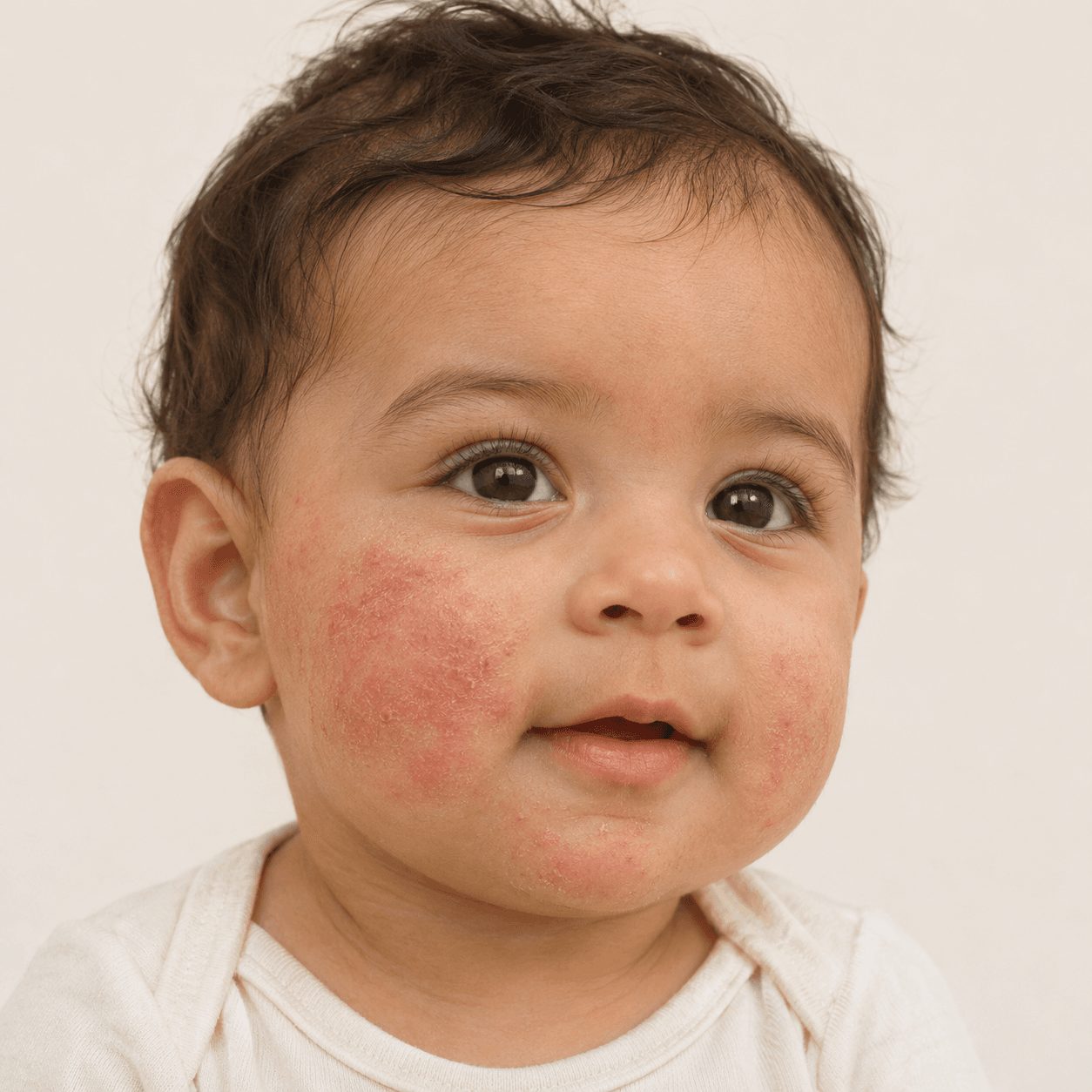
Atopic Dermatitis
A recurring inflammatory condition that causes itchy, dry skin in children and adults. Treatment combines regular skin care with control of inflammation.
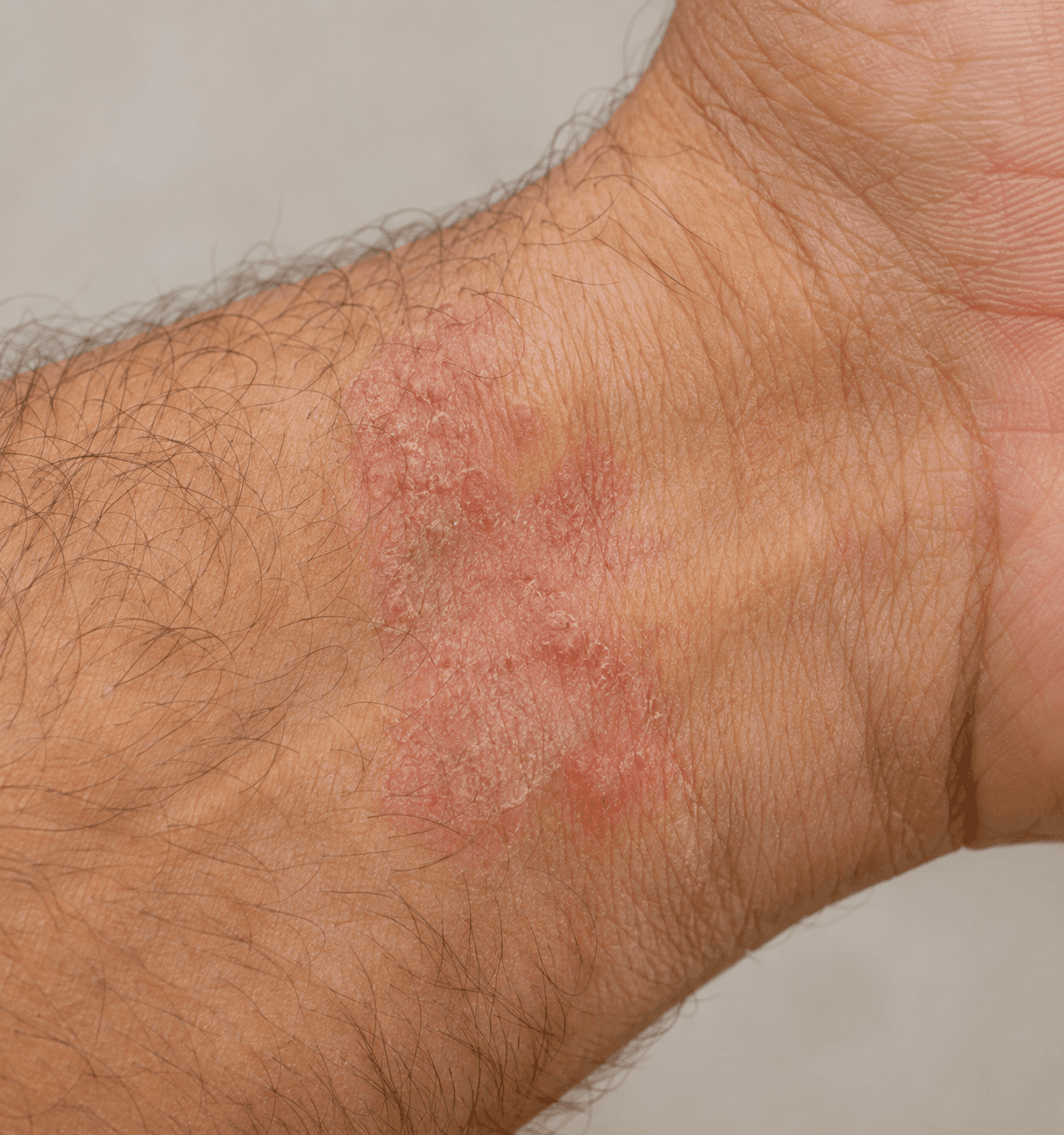
Contact Dermatitis
A rash caused by irritation or an allergic reaction to something touching the skin, such as detergents, fragrances, cosmetics or metals. Identifying the responsible exposure helps guide treatment.
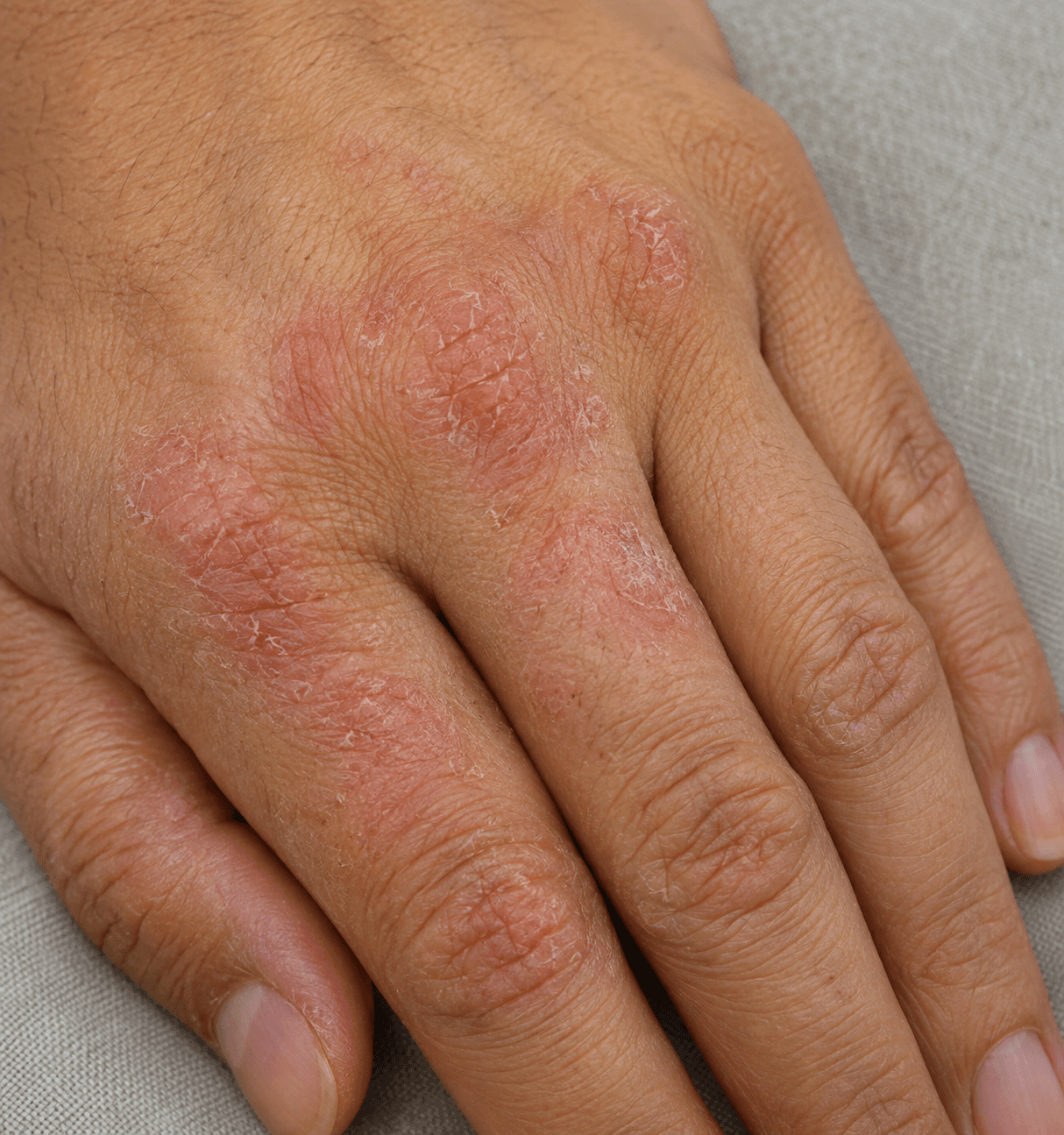
Hand Eczema
Dry, scaly or cracked hands that may itch or hurt. Frequent washing, cleaning products and workplace exposure can contribute, sometimes alongside atopic dermatitis or contact allergy.
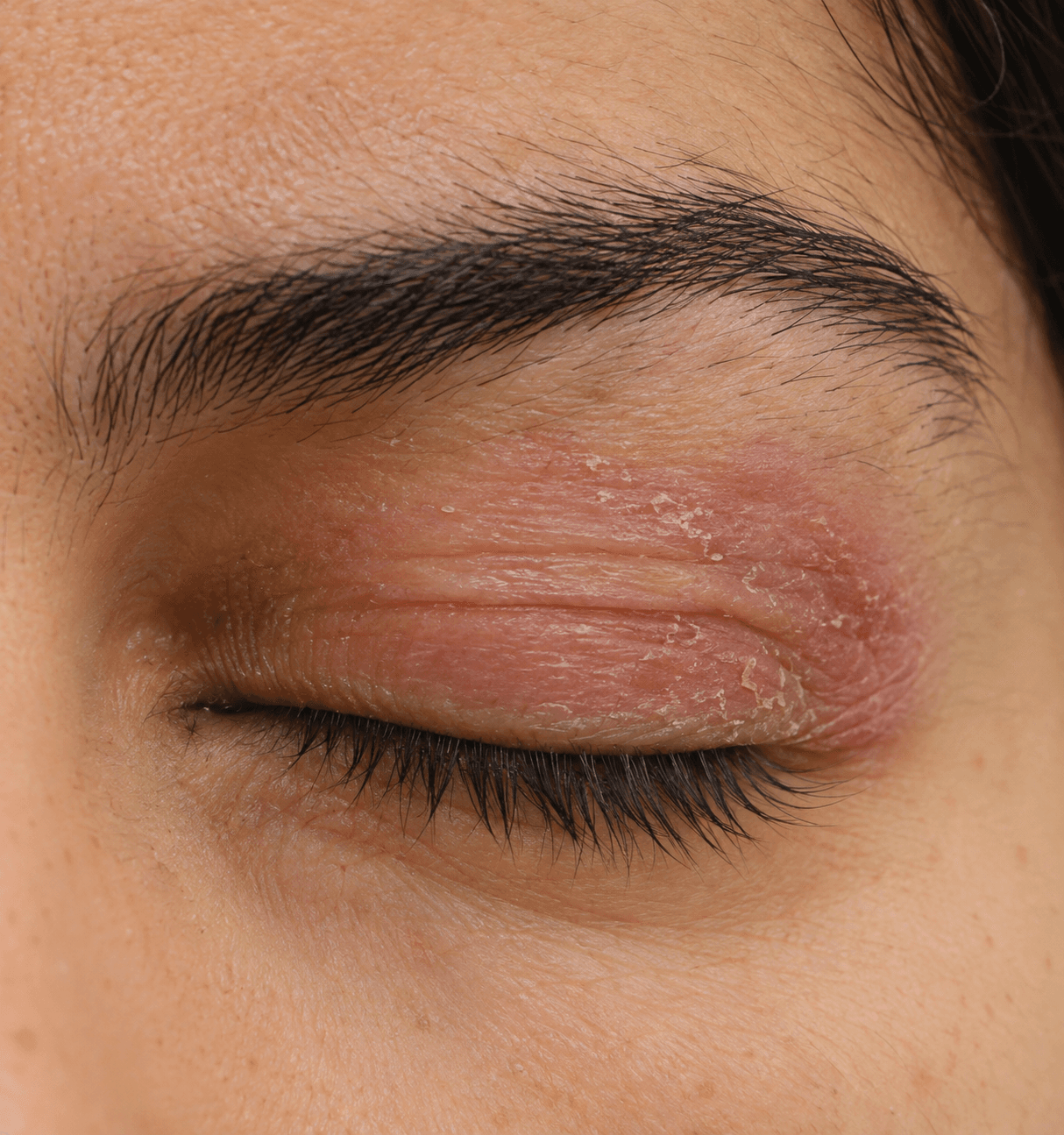
Eyelid & Facial Dermatitis
Inflammation affecting the face or delicate eyelid skin. Possible triggers include skincare and cosmetics, including products transferred from the hands, hair or nails.
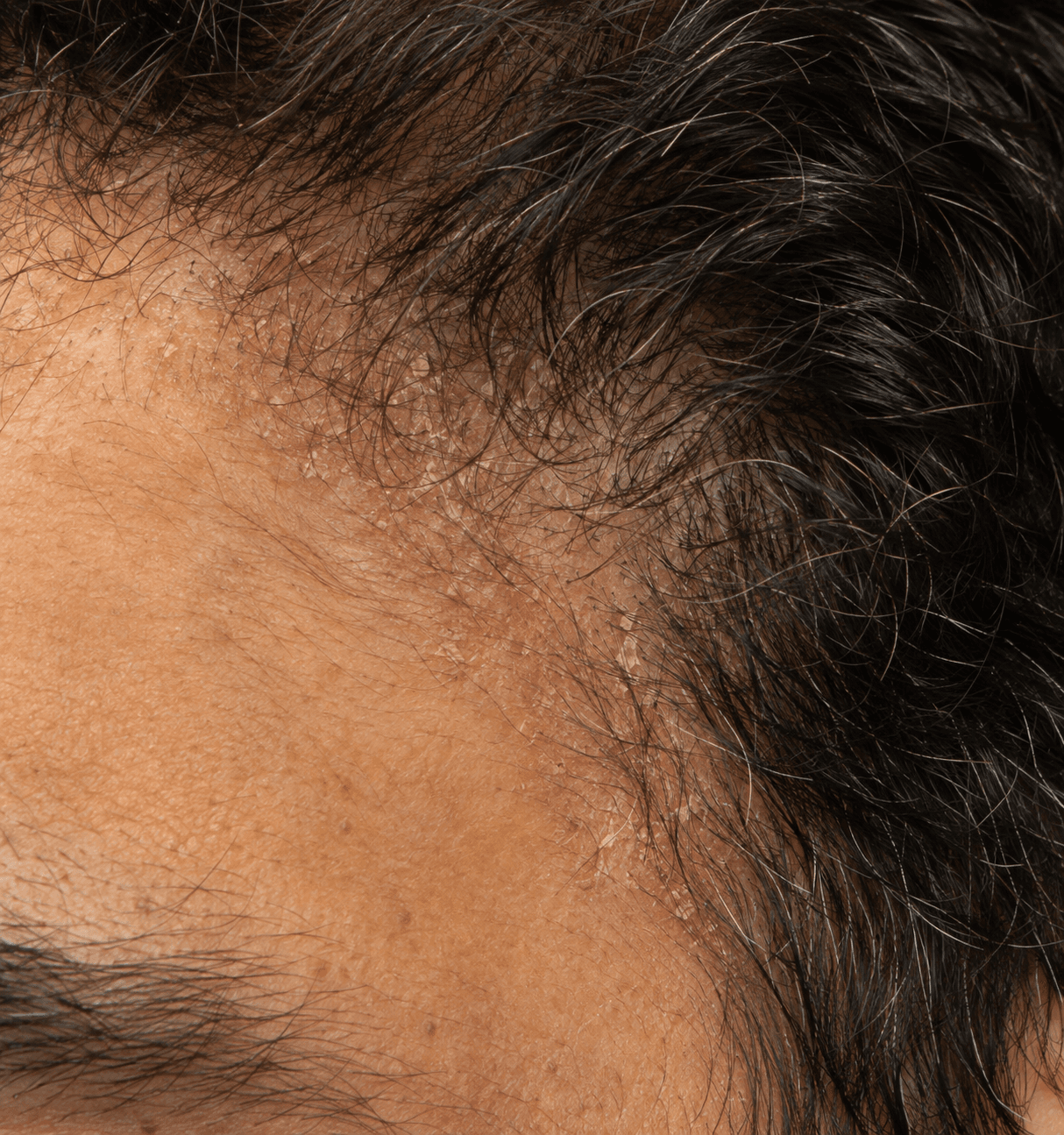
Seborrheic Dermatitis
Scaling and inflammation commonly affecting the scalp, eyebrows and sides of the nose. In infants, it may appear as cradle cap.
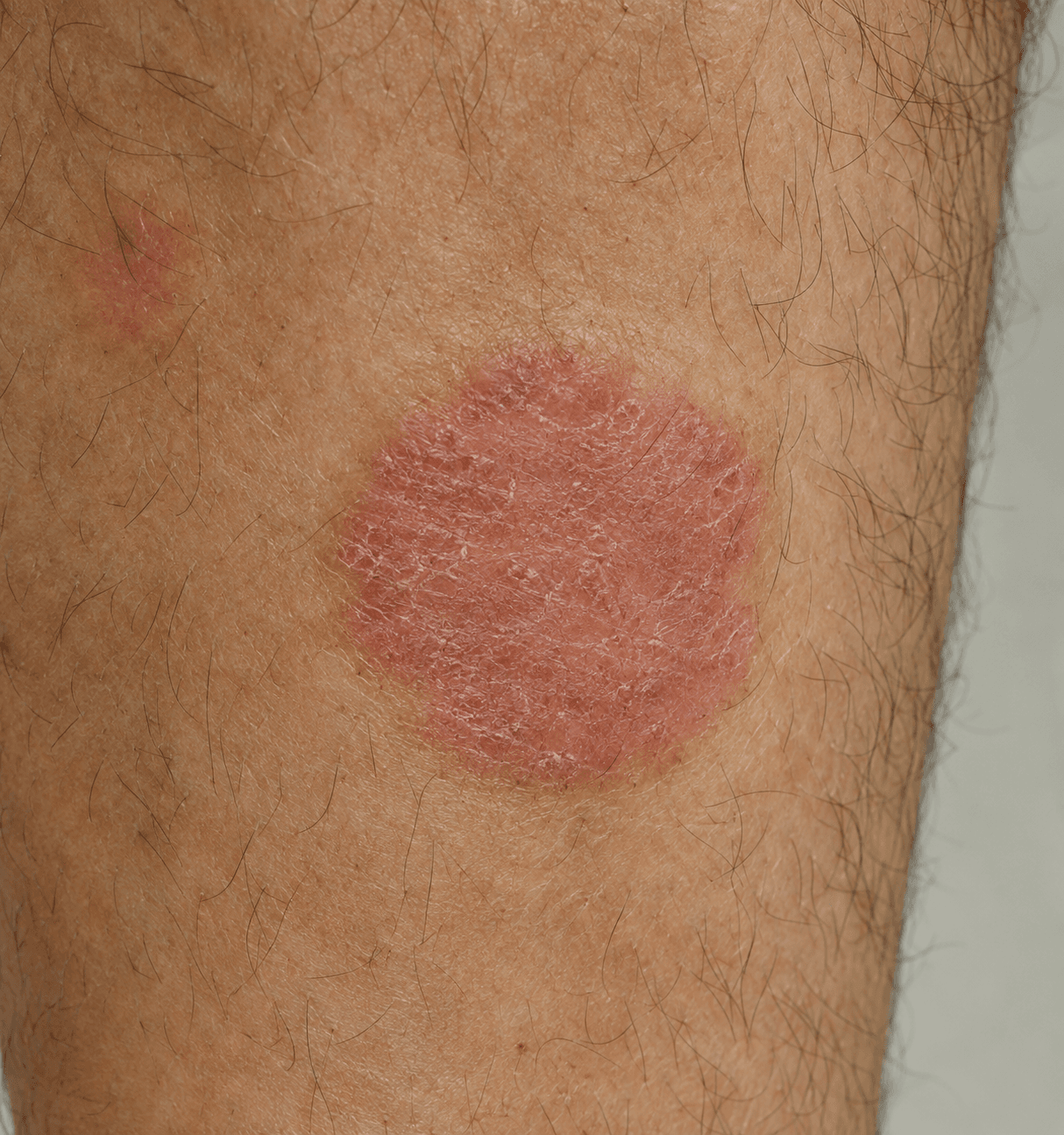
Nummular Dermatitis
Itchy, round or coin-shaped patches, often on the arms, legs or body. Examination helps distinguish these patches from fungal infections and other similar-looking rashes.
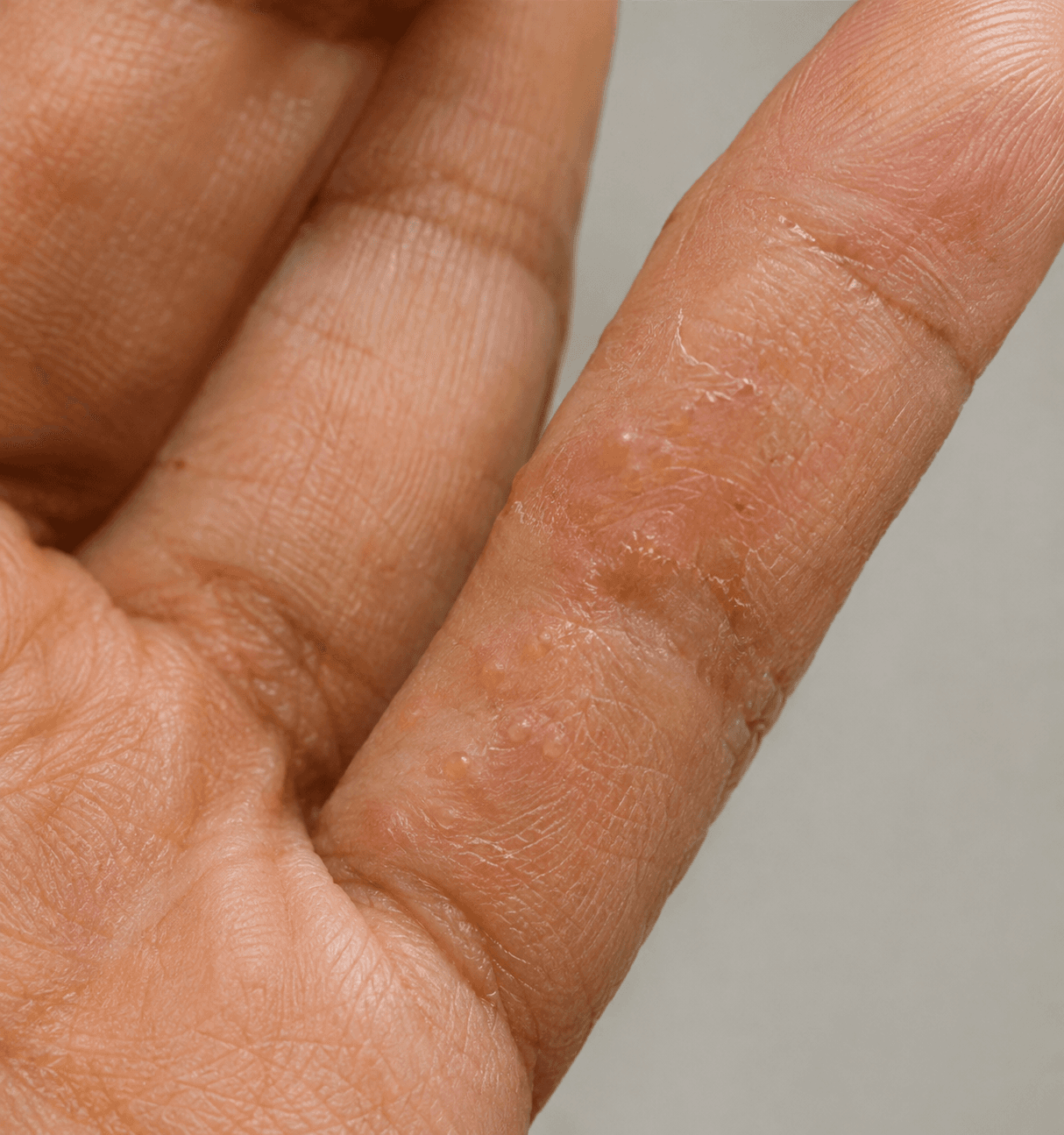
Dyshidrotic Eczema
Small, intensely itchy blisters on the fingers, palms or soles. Episodes may be followed by peeling, dryness and cracking.
The appearance of eczema tells us part of the story. The location, triggers and pattern of recurrence often tell us the rest.

When Should You See a Dermatologist?
Arrange an assessment if:
- The rash persists, spreads or keeps returning.
- Itching interrupts sleep, work or daily activities.
- The diagnosis is uncertain or previous treatment is no longer helping.
- Hand or eyelid dermatitis may be linked to products or workplace exposure.
- A child has widespread eczema or symptoms that are difficult to control.
New tenderness, oozing or increasing crusting should be assessed promptly, particularly if the affected area is spreading.
Seek urgent medical assessment the same day for rapidly worsening, painful skin with clusters of blisters or new open sores, especially around the eyes—even without fever. These can be signs of eczema herpeticum, a viral complication requiring prompt treatment. Worsening eczema accompanied by fever or feeling significantly unwell also needs urgent review.
How Are Eczema and Dermatitis Diagnosed?
Medical Dermatology Consultation
includes a skin examination and a review of:
- When the symptoms started and which areas are affected.
- Skincare products, washing habits and relevant home or workplace exposures.
- Previous treatments and how your skin responded.
- Diagnosis is usually clinical. Additional tests are considered when they can clarify the cause or guide treatment.
Are allergy tests needed?
Routine allergy screening is not necessary for every person with eczema. Patch testing may be helpful when allergic contact dermatitis is suspected, particularly with recurrent hand, eyelid or product-related dermatitis.
Patch testing is not performed at Nova Derma. When appropriate, we recommend assessment through an external provider.
Eczema & Dermatitis Treatment Options
Your treatment plan depends on the diagnosis, affected area, age and severity.
Skin-Barrier Care
Regular moisturising, gentle cleansing and reducing irritation help support the skin during flares and between episodes.
Topical Anti-Inflammatory Treatment
Topical corticosteroids or nonsteroidal medicines may be prescribed to control inflammation. The choice, strength and duration are tailored to the area being treated, with particular care for the face, eyelids and children.
Treatment for Seborrheic Dermatitis
Medicated shampoos and topical antifungal treatments may help control scalp or facial seborrheic dermatitis. Treatment for infant cradle cap is selected according to age and severity.
Managing Relevant Exposures
For contact or hand dermatitis, treatment may include changes to skincare, washing routines, hand protection or workplace exposure.
Treatment of Secondary Infection
Antibiotics are used only when clinically indicated. A flare, weeping or crusting does not automatically mean antibiotics are needed.
Further Options for Persistent Atopic Dermatitis
If symptoms remain poorly controlled, we reassess the diagnosis, severity and how current treatment is being used. Further options may include systemic medicines or referral for phototherapy, depending on suitability and availability.
What Can Trigger a Flare?
Common aggravating factors include:
- Dry skin and disruption of the skin barrier.
- Frequent washing, soap and harsh cleansers.
- Detergents, chemicals and repeated wet work.
- Fragrances, cosmetics and certain skincare products.
- Heat, sweating, friction and scratching.
- Stress in some people.
- Skin infections.
Triggers vary between individuals. An aggravating factor is not necessarily an allergy or the underlying cause of the condition.
Eczema & Dermatitis FAQ
Is eczema contagious?
No. Eczema itself is not contagious. Some infections can resemble or complicate eczema, which is one reason an accurate diagnosis matters.
Can eczema be cured permanently?
Atopic dermatitis often follows a relapsing course. Treatment helps control symptoms and reduce flares. Contact dermatitis may resolve when the responsible exposure is identified and removed.
Why does hand eczema keep coming back?
Repeated contact with water, detergents or other irritants can continue to affect the skin barrier. Persistent cases may also involve contact allergy or underlying atopic dermatitis.
Should I stop using steroid creams?
Follow the treatment plan provided for your skin. The appropriate strength, application schedule and duration depend on your age and the area affected. If you are concerned or treatment is not helping, arrange a review before changing the plan yourself.
Can stress make eczema worse?
Stress can aggravate itching and scratching in some people. It is usually one of several factors considered when planning care.
Do you treat eczema in children?
Yes. Treatment is adapted to the child’s age, affected areas and symptom severity. Our pediatric dermatology care also considers sleep disturbance and practical guidance for parents.

Book an Eczema & Dermatitis Consultation in Amman
Visit Nova Derma in Umm Summaq, Amman, for assessment of persistent itching, recurrent dermatitis or eczema that needs a clearer treatment plan.
Nova Derma · Amman, Jordan