
Nova Derma | Amman, Jordan
Skin & Nail Fungal Infections Treatment in Amman
Dermatologist-Led Diagnosis and Treatment for Tinea, Athlete's Foot, Scalp Ringworm and Fungal Nail Infections
The right antifungal treatment starts with the right diagnosis.
Fungal infections can affect the skin, scalp, feet, groin, body folds and nails. They may cause itching, scaling, redness, cracking, localized hair loss or changes in nail color and thickness.
At Nova Derma, treatment starts by deciding whether the problem is actually fungal, because eczema, psoriasis, bacterial infection, trauma and other nail disorders can look similar.
When to suspect fungus
When Should You Suspect a Fungal Infection?
Itchy or scaly rash
Ring-shaped, expanding or scaly patches can suggest tinea, although eczema and other inflammatory conditions may look similar.
Scaling or cracking between the toes
Persistent scaling, peeling or fissuring between the toes can be a sign of athlete's foot and may recur if the source is not controlled.
Groin or body-fold rash
Persistent itching, scaling or redness in the groin or moist folds should be assessed rather than repeatedly treated with random creams.
Scalp scaling or localized hair loss
Scalp ringworm can cause scale, broken hairs, areas of hair loss and sometimes inflammation, particularly in children.
Nail changes
Fungal nail infection may cause thickening, discoloration, crumbling or separation of the nail, but these changes are not specific to fungus.
### Not every thick or discolored nail is fungus
Nail trauma, psoriasis and other nail disorders can mimic onychomycosis, and confirming fungal infection is particularly important before starting oral antifungal treatment.
When confirmation is clinically needed, the dermatologist may recommend appropriate testing through an external laboratory. The goal is to avoid months of unnecessary antifungal treatment for a nail problem that is not fungal.
A rash that keeps spreading, or a nail that keeps changing, deserves assessment rather than another round of the same cream.
What Is Treated, and How
Fungal skin, scalp and nail conditions are treated according to the site, the extent, the diagnosis and the response so far. Scalp infection, extensive disease and some recurrent or resistant infections need more than a topical cream.
Fungal conditions assessed and treated at Nova Derma
- Tinea corporis, or ringworm of the body
- Athlete's foot (tinea pedis)
- Tinea cruris, or fungal infection of the groin
- Fungal infections affecting body folds
- Tinea capitis, or scalp ringworm
- Onychomycosis, or fungal nail infections
- Tinea versicolor (pityriasis versicolor)
- Recurrent or treatment-resistant fungal infections
Treatment may need to be modified, delayed or confirmed first if there is
- A ring-shaped rash that has been treated with steroid-containing creams, including combination creams, because corticosteroids can make ringworm worse and alter its appearance
- Thick or discolored nails that could be trauma, psoriasis or another nail disorder, where confirmation is relevant before oral antifungal treatment
- Scalp involvement in a child, where early diagnosis matters because inflammatory cases can occasionally lead to scarring hair loss
- A medical history that makes oral antifungal treatment unsuitable, in which case external blood tests may be requested before or during treatment
- Persistent or recurrent infection that has not been reassessed, which should not be treated indefinitely with the same topical medication
Topical and oral antifungal treatment
Many localized fungal skin infections can be treated with an appropriate topical antifungal; the medication and duration depend on the site, extent and diagnosis. Treatment should be used for the recommended duration even if itching or redness improves earlier.
Oral treatment may be needed for scalp infection, extensive disease, some recurrent or resistant infections, and selected fungal nail infections. When oral medication is prescribed, external blood tests may be requested before or during treatment depending on the medication, the treatment duration and the patient's medical history.
Scalp ringworm (tinea capitis)
Tinea capitis usually requires prescription antifungal medication taken by mouth, because topical creams do not adequately reach the infected hair shaft and follicle. It may present with:
- scalp scaling
- broken hairs
- localized areas of hair loss
- itching
- inflammation or swelling in some cases
Early diagnosis and treatment are especially important in children, because inflammatory cases can occasionally lead to scarring hair loss.
Fungal nail infections (onychomycosis)
Treatment depends on how many nails are involved, how much of each nail is affected, whether the nail matrix is involved, previous treatment and the patient's medical history. Selected mild or limited cases may be treated with nail-specific topical medication, while more extensive disease may require oral treatment.
Nails grow slowly, so even after the infection is controlled the abnormal portion must grow out before the nail looks normal again. Toenails may therefore take many months to visibly improve.
Tinea versicolor
Tinea versicolor can cause lighter, darker or slightly scaly patches, commonly on the chest, back, shoulders or neck. It is caused by an overgrowth of yeast that normally lives on the skin. Treatment can clear the yeast and scaling, but the skin color may take longer to return to normal, and recurrence is common in some patients.
Clinical improvement in the infection can occur before the nail looks completely normal.
Prevention
How Can You Reduce Recurrence?
Moisture, reinfection and incomplete treatment are the most common reasons a fungal infection comes back. These measures reduce the risk but do not remove it.
- Keep moisture-prone areas clean and dry
- Change socks and damp clothing regularly
- Avoid sharing towels, footwear and nail tools
- Treat athlete's foot early if nail fungus is also present
- Allow shoes to dry between uses
- Follow the prescribed treatment for the full recommended duration
Persistent or recurrent infection should be reassessed rather than treated indefinitely with the same cream.
Laboratory testing is arranged externally
Your dermatologist
Diagnosis Before Antifungal Treatment
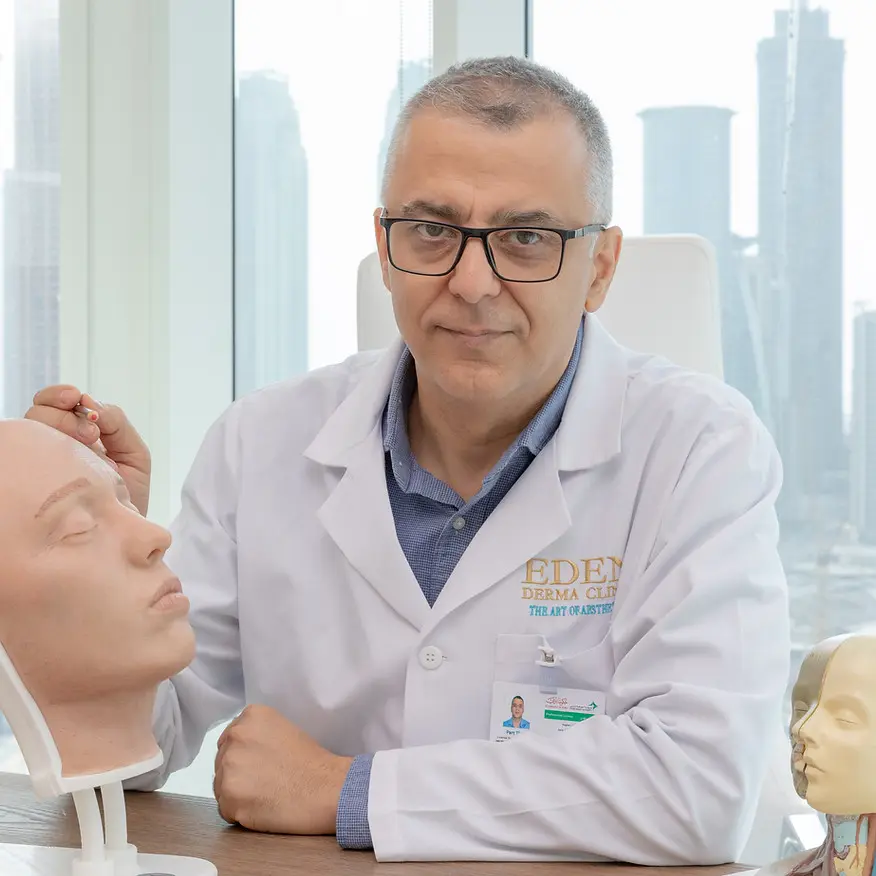
Dr. Qusai Shakhatreh
Specialist in Dermatology & Venereology
A circular rash is not automatically ringworm, and a thick nail is not automatically fungus. Dr. Qusai Shakhatreh, Specialist in Dermatology & Venereology, examines the lesion, considers the differentials such as eczema, psoriasis, bacterial infection and trauma, and decides whether the diagnosis can be made clinically or needs confirmation through an external laboratory before oral treatment is considered.
Skin & Nail Fungal Infection FAQ
Is every circular rash ringworm?
No. Eczema, psoriasis and other skin conditions can also form circular or scaly patches, so the diagnosis matters before treatment.
Is every thick yellow nail fungal?
No. Trauma, psoriasis and other nail disorders can cause similar changes. External laboratory confirmation may be recommended before oral antifungal treatment.
Can nail fungus be treated with ordinary skin antifungal cream?
Ordinary creams used for skin fungus generally do not penetrate the nail adequately. Nail-specific topical medication may help selected limited cases, while others need oral treatment.
Does scalp ringworm need oral treatment?
Usually yes. Prescription oral antifungal treatment is generally required, because topical creams do not adequately treat infection within the hair.
How long does nail fungus take to improve?
Treatment can take weeks to months, and the nail itself takes additional time to grow out. Toenails may take many months to look normal again.
Can fungal infections return?
Yes. Recurrence can occur because of moisture, reinfection, untreated athlete's foot, contaminated footwear or incomplete treatment.
Can steroid creams make ringworm worse?
Yes. Corticosteroid-containing creams can worsen or alter fungal skin infections, so an undiagnosed spreading rash should be assessed before repeated steroid use.
Recurrence is common, and it is a reason to reassess the diagnosis rather than to extend the same treatment indefinitely.
Persistent Rash or Nail Changes?
If you have a recurrent scaly rash, athlete's foot, persistent scalp scaling or nail changes that have not improved with previous treatment, the first step is confirming the diagnosis.
At Nova Derma, treatment may include topical or oral antifungal medication and external laboratory testing when clinically indicated.
Nova Derma · Amman, Jordan