

Nova Derma | Amman, Jordan
Rosacea Treatment in Amman
Dermatologist-Led Care for Facial Redness, Flushing, Sensitivity & Rosacea Breakouts
Rosacea is a chronic inflammatory skin condition that may cause persistent facial redness, episodes of flushing, skin sensitivity, inflammatory bumps and visible small blood vessels.
At Nova Derma, treatment starts by identifying which features of rosacea are affecting you most, because not every patient needs the same treatment.
Not Every Red Face Is Rosacea
Facial redness may have several possible causes. Conditions such as acne, seborrheic dermatitis, contact or irritant dermatitis and other inflammatory skin disorders can sometimes resemble aspects of rosacea.
The dermatologist assesses the pattern of redness, inflammatory lesions, skin sensitivity, triggers and previous treatments before recommending a plan.
### Persistent Facial Redness
Some patients mainly experience background redness affecting the cheeks, nose, chin or central face.
### Flushing
Temporary episodes of increased facial redness may be triggered by factors such as heat, sun exposure, hot drinks, spicy food, alcohol, exercise or emotional stress. Triggers vary considerably between patients, so identifying your own triggers is more useful than avoiding everything associated with rosacea.
### Inflammatory Rosacea
Rosacea may cause red bumps and pustules that can resemble acne. Unlike acne, however, rosacea does not usually produce the typical blackheads and whiteheads associated with acne.
### Sensitive or Irritated Skin
Burning, stinging, dryness and sensitivity are common concerns, and inappropriate skincare can aggravate symptoms.
### Visible Facial Blood Vessels
Small visible blood vessels may occur as part of rosacea and are considered during assessment of the overall pattern.
The diagnosis comes before the treatment.
What We Assess & How Rosacea Is Treated
There is no single treatment for every patient. The plan is selected according to the features present, severity, skin sensitivity, previous treatment and frequency of flare-ups.
The list below reflects the features assessed in clinic. The suitability of any treatment is decided after the examination, and any treatment that is not offered at Nova Derma is referred rather than implied.
We Assess
- Persistent facial redness
- Recurrent flushing
- Papules and pustules
- Sensitive or easily irritated skin
- Burning or stinging
- Visible small facial blood vessels
- Eye symptoms that may be associated with rosacea
- Symptoms that have not improved with previous treatment
Treatment May Need to Be Modified or Postponed If There Is
- Eye symptoms that need ophthalmology assessment first; ocular rosacea is not treated at Nova Derma
- Facial redness that has not been assessed, where acne, seborrheic dermatitis or contact dermatitis could explain it
- Symptoms that have not improved with previous treatment, because the diagnosis or the plan needs reviewing first
- A request to treat visible facial blood vessels with a vascular laser or IPL, which is not a service offered at Nova Derma
Rosacea-Friendly Skincare
A gentle skincare routine is an important part of treatment:
- Gentle cleansing
- Appropriate moisturizer
- Regular sun protection
- Avoiding products that repeatedly irritate the skin
- Introducing active skincare carefully
Rosacea-prone skin is often sensitive, and appropriate skincare can help reduce irritation and support medical treatment.
Topical Medical Treatment
Depending on the type of rosacea, prescription treatment may include options such as azelaic acid, ivermectin or metronidazole. These treatments are particularly relevant when inflammatory papules and pustules are present.
Oral Treatment
For more inflammatory or persistent disease, oral treatment such as doxycycline may be considered. The medication, dose and duration are selected according to the individual clinical situation.
Trigger Management
Avoiding every possible trigger is usually unnecessary. Instead, patients can identify repeated personal triggers and make practical adjustments while continuing appropriate medical treatment.
Rosacea commonly follows a pattern of improvement and flare-ups. The goal is to control inflammatory lesions, reduce symptoms and irritation, improve skin tolerance and maintain control with an appropriate long-term plan.
Rosacea & Eye Symptoms
Rosacea can sometimes affect the eyes and eyelids. Symptoms may include:
- Red or irritated eyes
- Burning or stinging
- Dryness or watering
- A gritty sensation
- Eyelid redness or swelling
- Recurrent styes
Eye symptoms should be mentioned during your consultation. When appropriate, assessment by an ophthalmologist may also be recommended, because untreated ocular rosacea can occasionally lead to more significant eye complications.
No vascular laser service
Laboratory testing is arranged externally
Dermatologist-led care
Your Diagnosis Is Confirmed by a Specialist Dermatologist
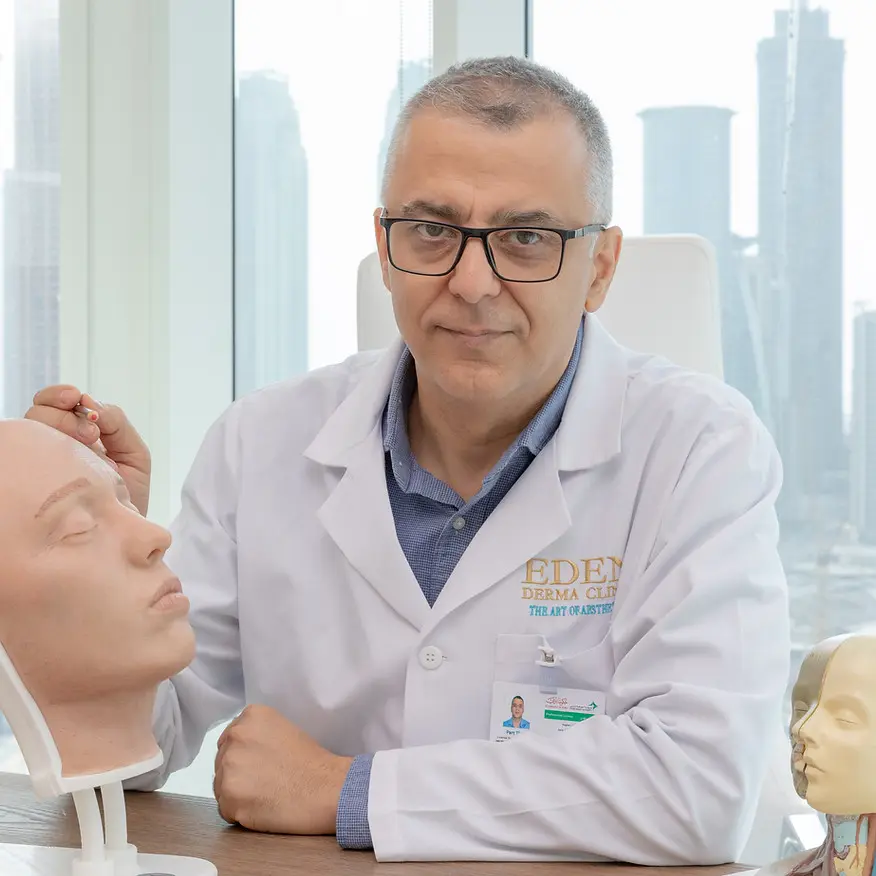
Dr. Qusai Shakhatreh
Specialist in Dermatology & Venereology
Rosacea care at Nova Derma is led by Dr. Qusai Shakhatreh, Specialist in Dermatology & Venereology. The consultation establishes whether the redness is rosacea or another inflammatory condition, reviews your triggers and previous treatment, and sets a long-term plan around the features that affect you most.
Rosacea FAQ
Is rosacea the same as acne?
No. Both conditions can cause facial bumps, but they are different disorders and may require different treatment approaches.
Why does my face become red suddenly?
Flushing can be part of rosacea. Heat, sunlight, exercise, hot drinks, spicy foods, alcohol or emotional stress may trigger episodes in some patients, although triggers vary between individuals.
Can rosacea cause pimples?
Yes. Inflammatory rosacea can cause papules and pustules that resemble acne.
Is rosacea caused by sensitive skin?
No. Rosacea is a chronic inflammatory skin condition, although increased skin sensitivity is a common feature.
Do I need to avoid all rosacea triggers?
No. It is more practical to identify the factors that consistently trigger your own symptoms.
Can rosacea affect the eyes?
Yes. Eye irritation, dryness, redness, watering or eyelid symptoms can occur with rosacea and should be assessed appropriately.
Can rosacea be cured permanently?
Rosacea is generally a chronic condition. Treatment focuses on controlling signs and symptoms and reducing flare-ups rather than promising a permanent cure.
Persistent Facial Redness, Flushing or Rosacea Breakouts?
An accurate diagnosis helps determine whether your symptoms are caused by rosacea and which features should be treated.
At Nova Derma, your treatment plan is selected according to the pattern of rosacea, skin sensitivity, severity and previous treatment response.
Nova Derma · Amman, Jordan