
hair-losshair
Hair Loss: Why PRP Is Used, and What It Does Not Do
By Dr. Qusai Shakhatreh ·
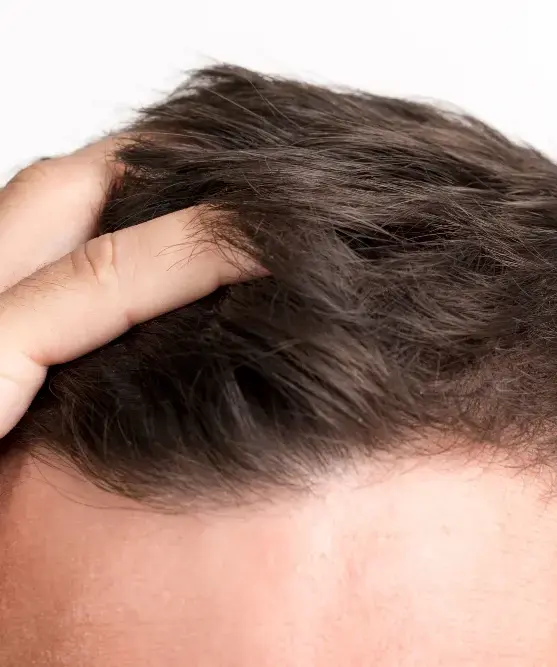
Hair loss is a symptom, not a diagnosis. Thyroid disease, iron deficiency, vitamin D deficiency, autoimmune conditions and a range of medications can all cause thinning, and each needs a different treatment. A consultation that opens with a treatment plan instead of a blood test has already gone wrong.
Once the underlying cause is addressed, platelet-rich plasma is one of the options that can be offered. The patient's own platelets are concentrated and injected into the scalp. The growth factors in that concentrate are the active part; the plasma is simply the carrier.
PRP is most useful for diffuse thinning and for early loss, where the follicles are still present but producing less. It is a poor answer for a receded hairline or a bald patch, where the follicles themselves are gone or scarred — no amount of growth factor brings a follicle back.
It also takes time. Most protocols run monthly for three to four months, with a noticeable change at around six months and further improvement to twelve. Anyone promising a visible difference in a month is describing something PRP does not do.
And it is not a substitute for the obvious. Diet, sleep, iron levels and the treatment of any scalp condition are cheaper, faster and often more effective than the injection, and they are where a good consultation starts.